Adhesives for rubber
The new generation of high-performance adhesives for rubber applications sets new standards: Solvent-free, resorcinol-free, formaldehyde-free. No compromises on performance. Developed to bond rubber sustainably and permanently. Collano adhesives meet high standards for low emissions, workplace safety, and compliance with current and future regulations.
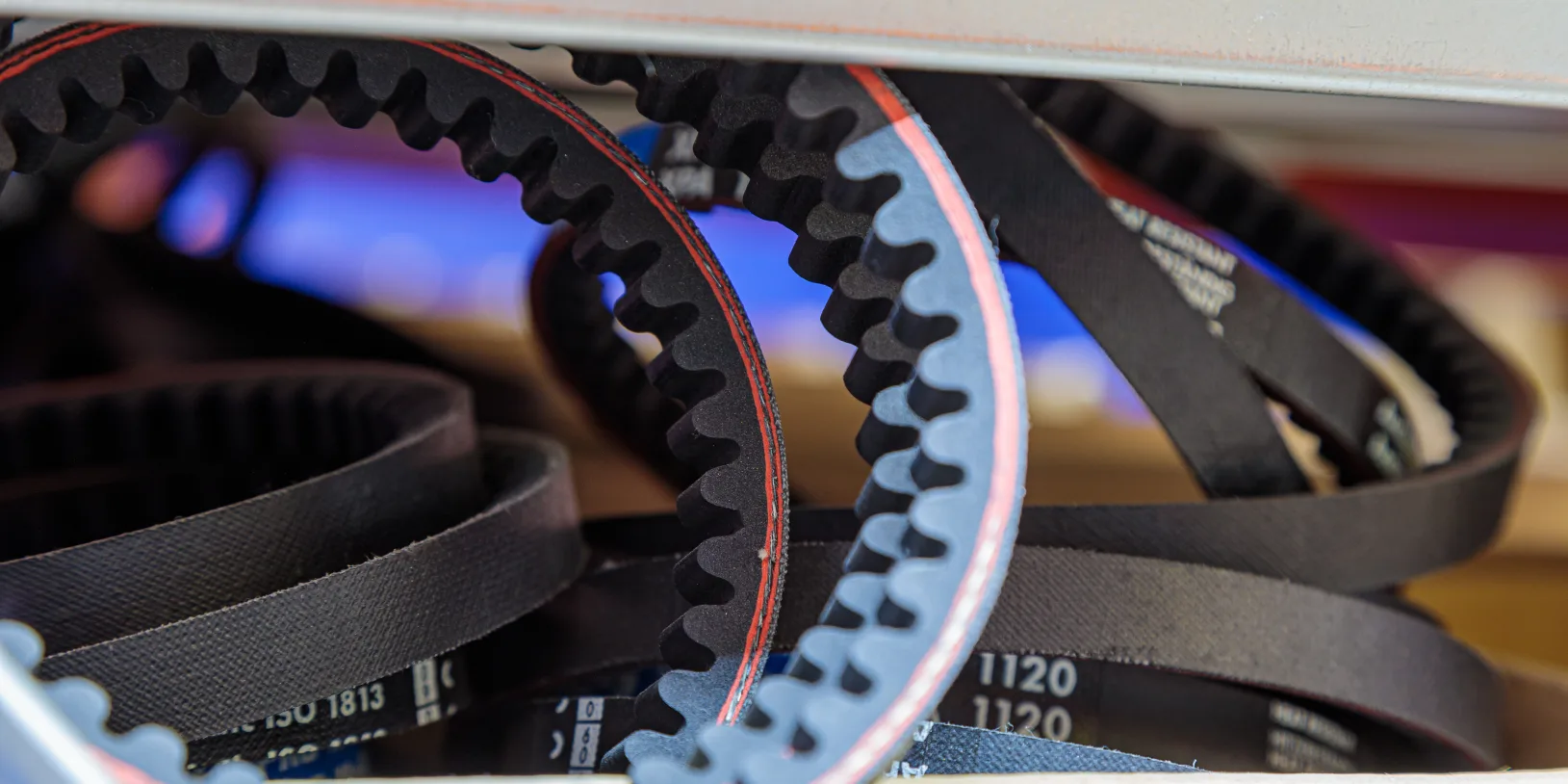
Material performance without toxicological compromises.
With its newly developed adhesives, Collano offers a high-performance water-based alternative to traditional resorcinol-formaldehyde latex systems.
Why choose an adhesive from Collano?
Conventional RFL systems contain resorcinol and formaldehyde, substances that are subject to increasing regulatory restrictions and high occupational safety and environmental protection requirements. Our solution is completely free of solvents, resorcinol, and formaldehyde.
Technological advantages of Collano adhesives
Excellent adhesion to aramid and polyester fibers
A key advantage of the new Collano RFL replacement adhesives is their excellent adhesion to aramid and polyester fibers. The pre-dip process that was previously standard can now be eliminated, reducing process steps, shortening throughput times, and lowering energy and equipment costs.
Variable adjustment of stiffness
The adhesive chemistry allows for precise adjustment of stiffness. This means that the adhesive layer can be tailored precisely to the mechanical requirements of the application.
REACH-compliant and exempt from labeling requirements
The formulations comply with the provisions of the EU Chemicals Regulation (EC) No. 1907/2006. Certain formulations are not subject to labeling requirements. This reduces the effort involved in storage, documentation, and occupational safety.
High tack at room temperature for assembly
Collano offers add-on adhesives for special requirements such as high tack at room temperature. This facilitates handling, positioning, and further processing in the production process. Use these add-on adhesives to replace solvents such as toluene or gasoline.
Forms of application
- Water-based dispersions
- Reactive adhesive films
Are you developing new rubber compounds or testing alternatives to RFL and solvent-based adhesives? Request technical advice now.